




Introduction
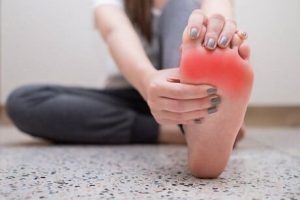
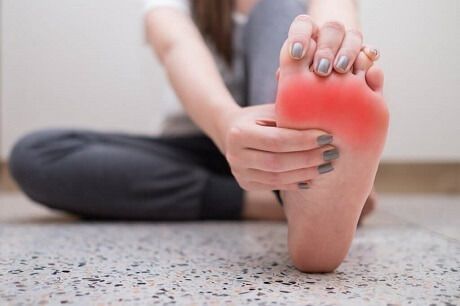
Ball of foot pain, also known as metatarsalgia, is a common condition that affects the area between the arch and the toes. This discomfort can range from mild soreness to severe pain that interferes with walking, running, or standing for long periods. The condition of Ball of Foot Pain Treatment in Vancouver may result from overuse, improper footwear, high-impact activities, or underlying foot problems. Understanding the causes and available treatments can help individuals manage symptoms and return to their daily activities comfortably.
Understanding Ball of Foot Pain
The ball of the foot contains the metatarsal bones, which help distribute body weight during movement. When excessive pressure is placed on these bones and surrounding tissues, inflammation and pain can develop.
Common causes of ball of foot pain include wearing high heels, poorly fitting shoes, intense physical activity, foot deformities, excess body weight, and age-related changes in the foot’s natural cushioning. Certain medical conditions, such as arthritis or nerve disorders, may also contribute to discomfort.
Rest and Activity Modification
One of the first steps in treating ball of foot pain is reducing activities that place excessive stress on the affected area. High-impact exercises such as running, jumping, or prolonged standing may worsen symptoms.
Allowing the foot time to recover can reduce inflammation and prevent further irritation. Low-impact alternatives such as swimming or cycling can help maintain fitness while minimizing pressure on the foot.
Applying Ice Therapy
Ice therapy is a simple and effective way to reduce pain and swelling. Applying an ice pack to the affected area for 15 to 20 minutes several times a day can help control inflammation.
To avoid skin damage, ice should always be wrapped in a cloth or towel rather than applied directly to the skin. Regular icing is particularly beneficial after physical activity.
Wearing Proper Footwear
Footwear plays a major role in both causing and treating ball of foot pain. Shoes with adequate cushioning, arch support, and a wide toe box can significantly reduce pressure on the forefoot.
High heels and tight-fitting shoes should be avoided whenever possible, as they force excessive weight onto the ball of the foot. Supportive athletic shoes or orthopedic footwear often provide the best relief.
Using Orthotic Inserts
Orthotic inserts and metatarsal pads can help redistribute pressure across the foot and reduce strain on the painful area. These devices provide additional cushioning and support, making walking and standing more comfortable.
Custom orthotics may be recommended for individuals with structural foot abnormalities or recurring symptoms. A healthcare professional can assess the foot and determine the most suitable option.
Stretching and Strengthening Exercises
Gentle stretching and strengthening exercises can improve foot flexibility and reduce discomfort. Stretching the calf muscles, Achilles tendon, and plantar fascia may help relieve pressure on the forefoot.
Strengthening exercises for the feet and lower legs can improve stability and support proper foot mechanics. Consistent exercise may also reduce the likelihood of future pain episodes.
Pain Relief Medications
Over-the-counter anti-inflammatory medications may help manage pain and swelling. These medications can provide temporary relief during the healing process.
However, they should be used according to recommended guidelines and should not replace proper treatment measures such as rest, supportive footwear, and exercise.
When to Seek Professional Treatment
If ball of foot pain persists despite home treatment, medical evaluation may be necessary. A healthcare provider can identify underlying causes through physical examination and imaging studies if needed.
Professional treatments may include physical therapy, custom orthotics, corticosteroid injections, or treatment for specific conditions such as stress fractures, neuromas, or arthritis.
Conclusion
Ball of foot pain can significantly affect mobility and quality of life, but effective treatment options are available. Rest, ice therapy, supportive footwear, orthotic inserts, and targeted exercises often provide substantial relief. Early attention to symptoms and proper foot care can prevent the condition from worsening. By addressing the underlying causes and following an appropriate treatment plan, individuals can reduce pain, improve function, and return to their normal activities with greater comfort and confidence.