





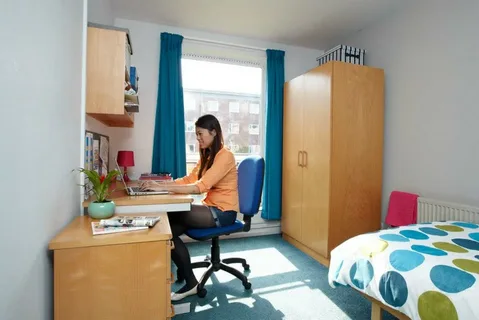
Moving away from home for the first time is a significant milestone in any student’s journey. It marks the transition into adulthood, independence, and the excitement of higher education.
For many students embarking on their university career, the question of where to live is just as pressing as what to study. Choosing to live in university housing—often referred to as a residential college or hall of residence—is a decision that can profoundly shape your academic success and social life.
If you are currently researching your options, you might be looking into uq on campus accommodation, which offers a supportive environment designed to help new students acclimatise to university life.
This guide will walk you through the essentials of on-campus living and help you make an informed decision for your first year.
Why Choose On-Campus Accommodation?
The primary advantage of living on campus is the sense of community. When you move into a residential college, you are not just renting a room; you are joining a vibrant network of peers, mentors, and staff.
Unlike renting a private apartment or shared house in the city, residential colleges provide a structured environment that prioritises your wellbeing and academic growth.
Furthermore, living on campus eliminates the stress of commuting. Being within walking distance of lecture theatres, libraries, and campus facilities means you have more time to focus on your studies, participate in extracurricular activities, or simply enjoy a balanced lifestyle.
The Benefits of a Fully Supported Environment
For a beginner, the logistical hurdles of living independently—such as paying utilities, grocery shopping, cooking, and managing household maintenance—can be overwhelming.
Most on-campus accommodation providers offer “catered” or “part-catered” packages. This means that meals are often provided in a communal dining hall, allowing you to focus on your transition to university without the daily pressure of food preparation.
Key benefits of choosing a residential college include:
- Academic Support: Many colleges offer in-house tutoring and study groups, providing you with extra help when coursework becomes challenging.
- Safety and Security: On-campus facilities are typically secured 24/7, with staff members or resident assistants available to provide support and ensure a safe environment for all students.
- Social Connectivity: You are surrounded by people going through the same experiences, which makes it much easier to form lifelong friendships during your first few weeks.
- Convenience: Rent, electricity, water, and internet are often bundled into a single fee, simplifying your budget management.
- Extracurricular Opportunities: Being part of a college usually gives you exclusive access to sports teams, cultural clubs, leadership programs, and formal events that you wouldn’t find in standard off-campus rentals.
Preparing for the Transition
Making the move to university is a process that requires some organisation. Before you arrive, it is helpful to understand the reality of living in a shared space. While the independence is liberating, it also comes with the responsibility of communal living.
Respecting your neighbours, keeping common areas tidy, and participating in house meetings are all part of the experience.
For a great visual overview of what to expect when moving into your first college room, check out this helpful Moving into University Residential College video, which provides practical tips on packing essentials and settling into your new space.
Choosing the Right Fit
When researching your options, consider what kind of environment you thrive in. Some colleges are known for their strong focus on academic excellence, while others may emphasise sports, music, or community service.
Think about your personal goals for the year. Do you want a quiet place to focus on heavy coursework? Or are you looking for a lively social hub that helps you build a network?
It is also worth noting the facilities available.
Modern residential colleges often provide:
- High-speed Wi-Fi throughout the premises.
- Dedicated quiet study zones and libraries.
- Common rooms for socialising and gaming.
- Laundry facilities and communal kitchens for snacks.
- Access to fitness equipment or nearby sporting fields.
Final Considerations for Beginners
As you navigate this transition, remember that everyone else in your college is likely feeling the same mix of nerves and excitement. Your fellow students are your biggest asset. Don’t be afraid to leave your door open, attend the orientation events, and say “hello” to the people in your dining hall.
Financial planning is another critical aspect. While the upfront costs of a residential college might seem higher than a private house share, remember to factor in the hidden costs of independent living—such as the price of furniture, initial bond payments, individual utility bills, and the cost and time of commuting.
When you weigh the value of the support systems, food, and proximity to campus, on-campus living often proves to be an incredibly cost-effective investment in your university experience.
Ultimately, your first year at university is a time of self-discovery.
By choosing on-campus accommodation, you are setting yourself up with a foundation of support, friendship, and convenience. It is a unique chapter of your life, and making the most of your residence will ensure your transition to university is as smooth and rewarding as possible.
Take the time to visit prospective colleges, ask questions during their open days, and choose the place where you feel most at home.
Your future self will thank you for making a choice that prioritises your growth and wellbeing
